

7/10

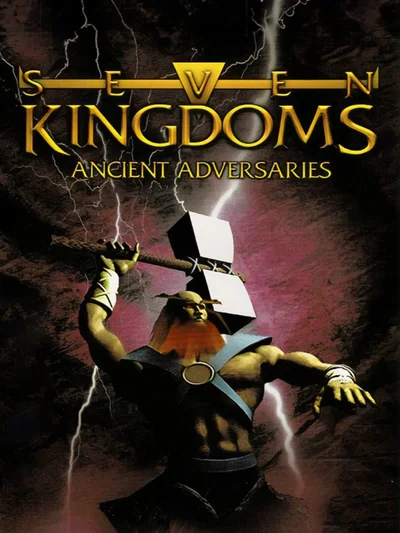
Seven Kingdoms is one of the most significant titles in the genre of mythological strategy games.
Firstly, there are 10 nations in the game: the Chinese, Egyptian, Greek, Japanese, Maya, Mughal, Norman, Persian, Viking and Zulu.
The variation in buildings found in other strategy games is not present in this one. In other words, when you select a different nation, their buildings do not change. For each civilisation, only the human type, attack type, deity and the deity’s blessing change.
The human types in the game do not vary. For example, if you have chosen the Japanese, the appearance of your warrior, factory worker and miner will all be the same. Only their areas of expertise differ. Let’s say you want to train a warrior. You have two options: firstly, you can produce them from a fortified village, or you can station any of your citizens at a fort commanded by a commander. Each nation’s soldiers also have different attack styles. For example, once Japanese soldiers have over 60 experience points, they strike with flaming swords. Vikings, on the other hand, raise their axes and polish them, dealing damage with a stun effect.
The biggest difference in the game is the gods. Whilst playing as gods in Age of Mythology may seem like a major revolution, Seven Kingdoms had already done this back in 1998. Each nation’s god is different; some kill your enemies, whilst others strengthen your own troops.
The game’s economic system, however, is very challenging. You must mine resources, sell them via the market to villages with high populations, and maintain a high population to produce food (automatically).
In the game, apart from the enemy nations, there are the Fryhtans who we could actually call monsters. Each type of Fryhtan attacks in a different way. Don’t attack them at the start of the game. It’s no use :)
2